
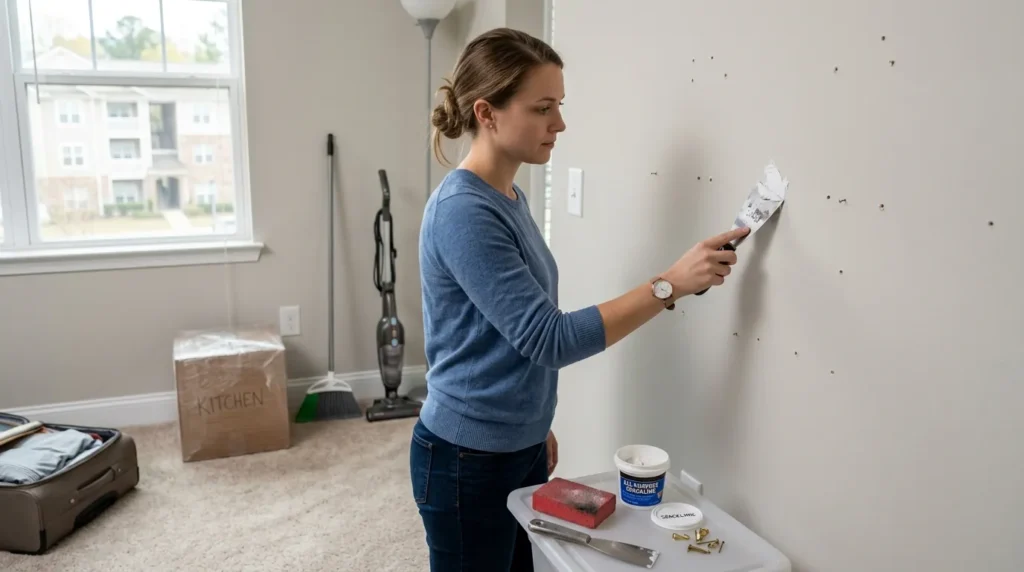
Moving out involves more than packing boxes and cleaning the apartment. The walls often tell a story of life. You might see marks from picture hooks, small dents, scuffs from furniture or accidental damage. If you are moving out of an apartment in Snellville, GA checking and fixing wall damage before the final inspection can make a difference. It helps you leave the apartment in shape and increases your chances of getting your security deposit back.
Georgia law makes a distinction between normal wear and tear and damage caused by tenants. The Georgia Department of Community Affairs says that normal wear and tear usually cannot be charged to the security deposit.. Damage caused by a tenant, their family, pets or guests may be considered the tenant’s responsibility.
What kind of wall damage should you fix before you move out?
Not every mark needs repair. Some minor changes that happen naturally over time are expected. Serious damage should be addressed. The Georgia Department of Community Affairs lists examples. Small nail holes and tiny cracks are considered wear and tear. Larger holes or damaged drywall are not. Common problems to check for include:
- Nail and picture-hanging holes
- dents and dings
- Scratches and scuff marks
- Larger holes or damaged drywall
- Peeling or damaged paint
Your lease may also have special rules about move-out conditions. Always read it before you start fixing anything. Also important: the condition of the apartment when you moved in. That can help prove whether something is damaged or just regular wear.
How do you fix wall damage before you leave your apartment?
Small repairs are usually easy to do with tools. Big damage may need work or a professional.
Fix Small Nail Screw Holes
First take out picture hooks, nails and screws. Be careful not to pull them out hard. You don’t want to make the hole bigger or ruin the wall around it. For holes use spackle or joint compound. Put a little on with a putty knife. Press it into the hole. Smooth it flat. Let it dry completely. Dry, sand the area gently until it’s even with the wall. Wipe off any dust before painting. If you have small holes go room by room. This helps you avoid missing spots behind furniture or decorations.
Repair Dents, Scratches and Small Holes
Dents and shallow holes take a little attention. Start by cleaning the area. Remove any bits of drywall or paint. Use these steps:
- Clean the damaged spot
- Take out damaged material
- Apply patching compound
- Smooth it with a putty knife
- Let it dry completely
- Sand until it’s smooth
- Remove dust before painting
For deep dents apply compound in layers. Use a layer, let it dry then add another. This gives a better result than trying to fix it all at once.
For scratches and scuff marks first check if they are surface marks. Some can be cleaned with a cloth. If the paint or drywall is damaged you’ll need to fill it and repaint. Never paint over damage without fixing the surface.
Repair Larger Drywall Damage
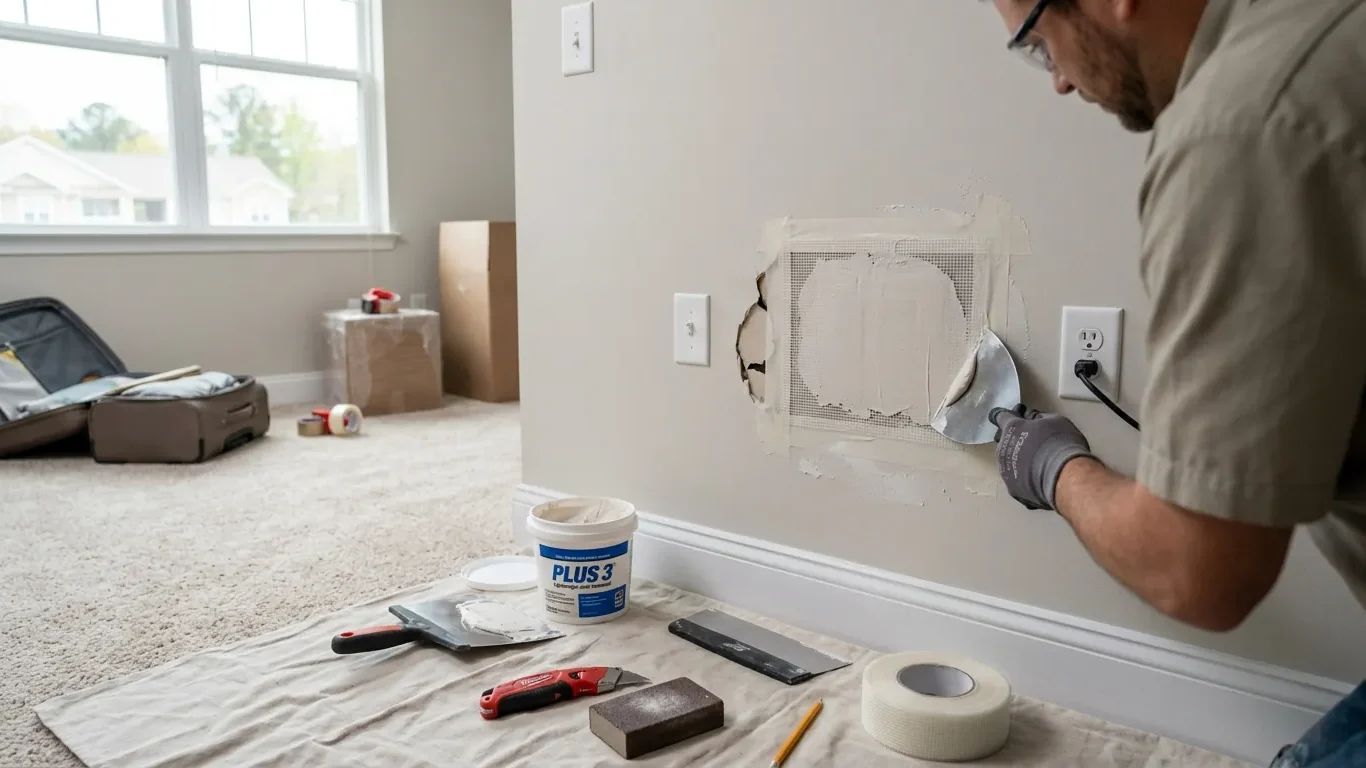
Large holes, torn drywall paper, damaged corners and parts that have taken a hit may not be good for just a simple layer of spackle. For repairs we may need to cut away the broken material, add a backing piece, set a drywall patch, lay joint compound and blend the repaired area into the surrounding wall.
Texture can make this work harder. A patch may be solid. It can still stand out if the wall texture or finish does not match. If the drywall is badly damaged, has holes or has suffered from moisture we should seek professional advice before we try the repair.
Touch Up the Paint
A repaired wall can still feel unfinished if the paint does not match. Even a tiny color difference can show up under light. Before we paint we should find out the wall color and finish. If we kept paint from when we moved in we should check if it is still good. Whenever you are planning Moving Out of an Apartment in Snellville, GA, Pay attention to
- Match the paint color
- Match the sheen or finish
- Blend the edges
- Apply the amount of paint
- Let the paint dry completely
If the original paint is not available we can take a clean sample or use details from the lease or property records to find the color. For repairs painting an entire wall can give a smoother look than painting a small patch.
How to Prepare Repaired Walls for the Move-Out Inspection
After we finish the repairs we should not think the walls are ready away. We should walk through the apartment again. Check our work closely.
Check Every Wall for Visible Damage
Go room by room. Look at the walls under normal light. Check the spots where furniture, shelves, artwork and electronics used to sit. Check:
- Living room walls
- Bedroom walls
- Hallways
- Areas around doors and windows
- Walls behind furniture
- Corners and baseboards
- Repaired holes and patches
Look at the repaired parts from many angles. A patch that looks smooth from on can still look uneven from the side. Let the repaired paint dry fully before we make a check. Some colors and finishes can look different while still wet.
Review Your Lease and Move-In Documentation
Before we decide which repairs we need we should read the lease carefully. We should look for clauses about wall changes, painting, damage, cleaning and moveout rules. The move inspection records can also be helpful. Compare the state with photos, inspection forms or notes from when we first moved in.
Photograph the Apartment After Repairs
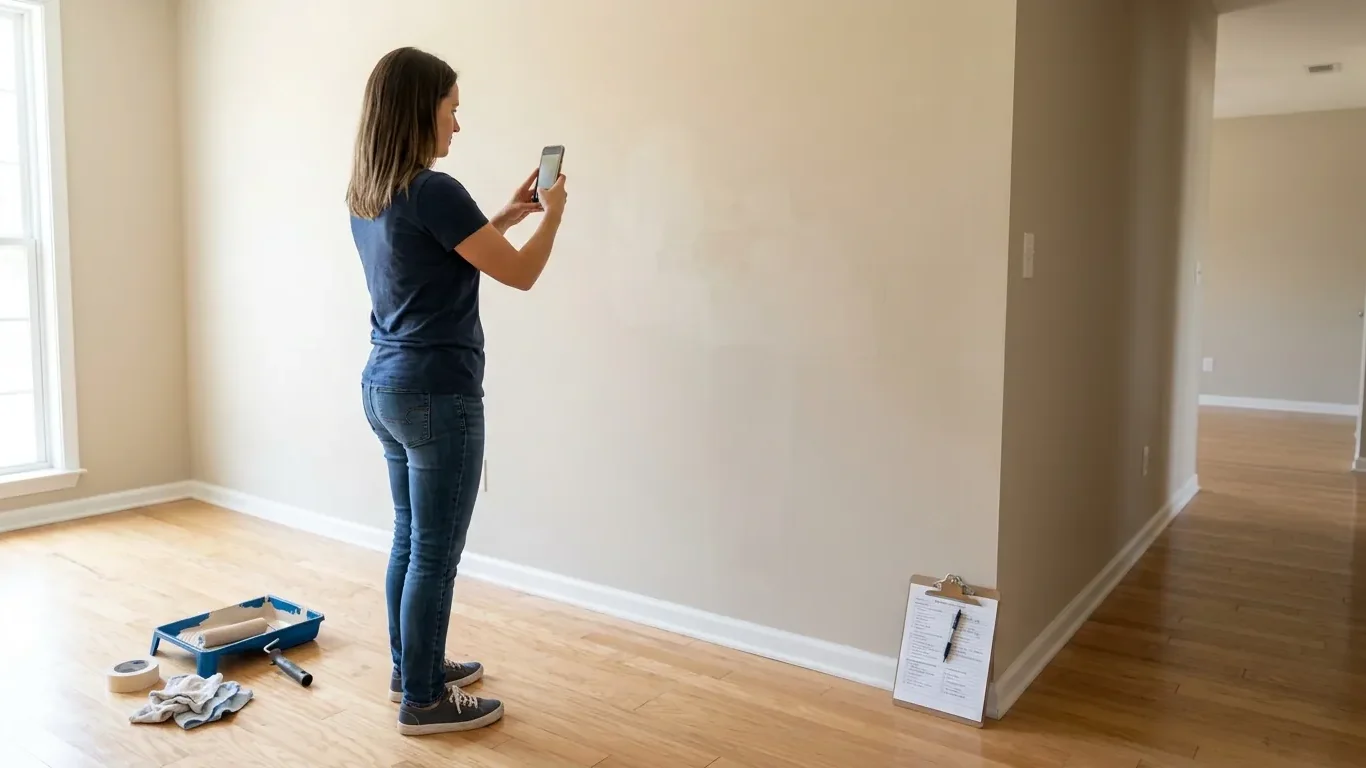
Photos can create a record of the apartment’s condition after you finish your repairs and cleaning. Take photographs of:
- Repaired walls
- Clean rooms
- Floors and doors
- Windows and fixtures
- Overall apartment condition
- Areas that had previous damage
Take wide photos showing the room and closer images showing completed repairs. Keep the files rather than relying only on compressed versions sent through messaging apps. Documentation can be especially useful if questions arise later about the condition of the property.
Final Takeaway
When Moving Out of an Apartment in Snellville, GA give the walls an inspection before your final cleaning and move-out inspection. Start by identifying the difference between wear and tenant-caused damage then repair appropriate issues using the right materials.
Small nail holes and minor marks may require work while larger drywall damage may need professional repair. Review your lease, compare the apartment with your move-in documentation, photograph the completed condition and keep records. These steps can help you approach the move-out process in a way while giving you a clear record of the apartment’s condition when you leave.