
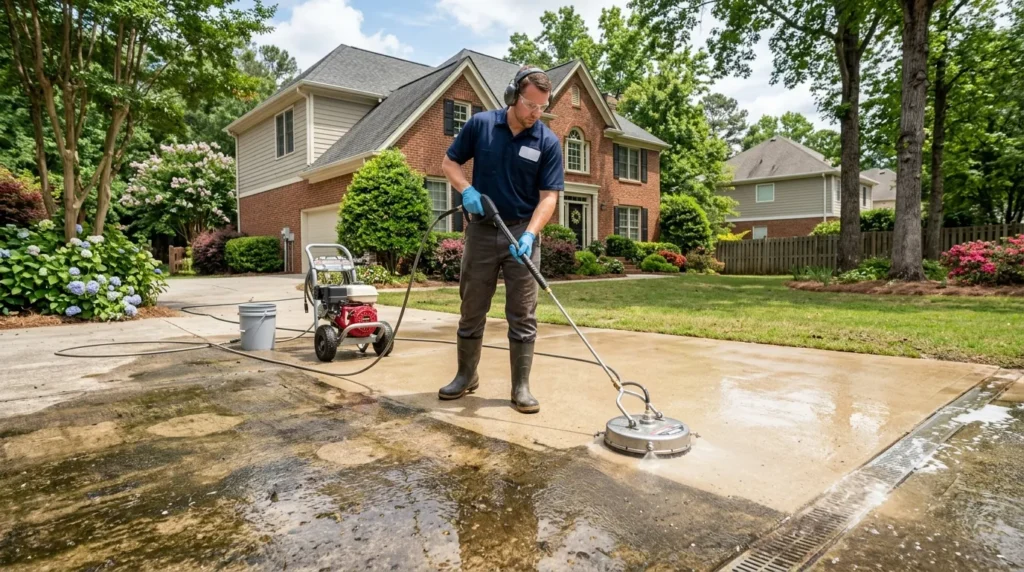
A worn patio can make the outdoor space a mess. There can be many factors such as moss, mildew, stain and gather all the surface. Whenever the patio is exposed, then check how to restore a Weathered Patio With Pressure Washing in Decatur, GA. so that you can bring the solution which helps in restoring the surface.
Understanding Why Patios Become Weathered
Patios are always exposed to conditions. Rain, humidity, dirt, falling leaves, food spills and foot traffic can all affect the surface over time. Moisture can also encourage growth especially in shaded or poorly drained areas. Common patio problems include:
- Patios with cracks in other surfaces
- Patios with loose pavers or bricks
- Patios with damaged or missing joints
- Patios with deep stains
- Patios with crumbling or deteriorating material
- Patios with loose surface coatings
- Patios with particularly delicate sections
Simply sweeping the patio may remove loose debris but buried grime and organic growth often need deeper cleaning. Pressure washing can reach spots that normal cleaning methods may miss.
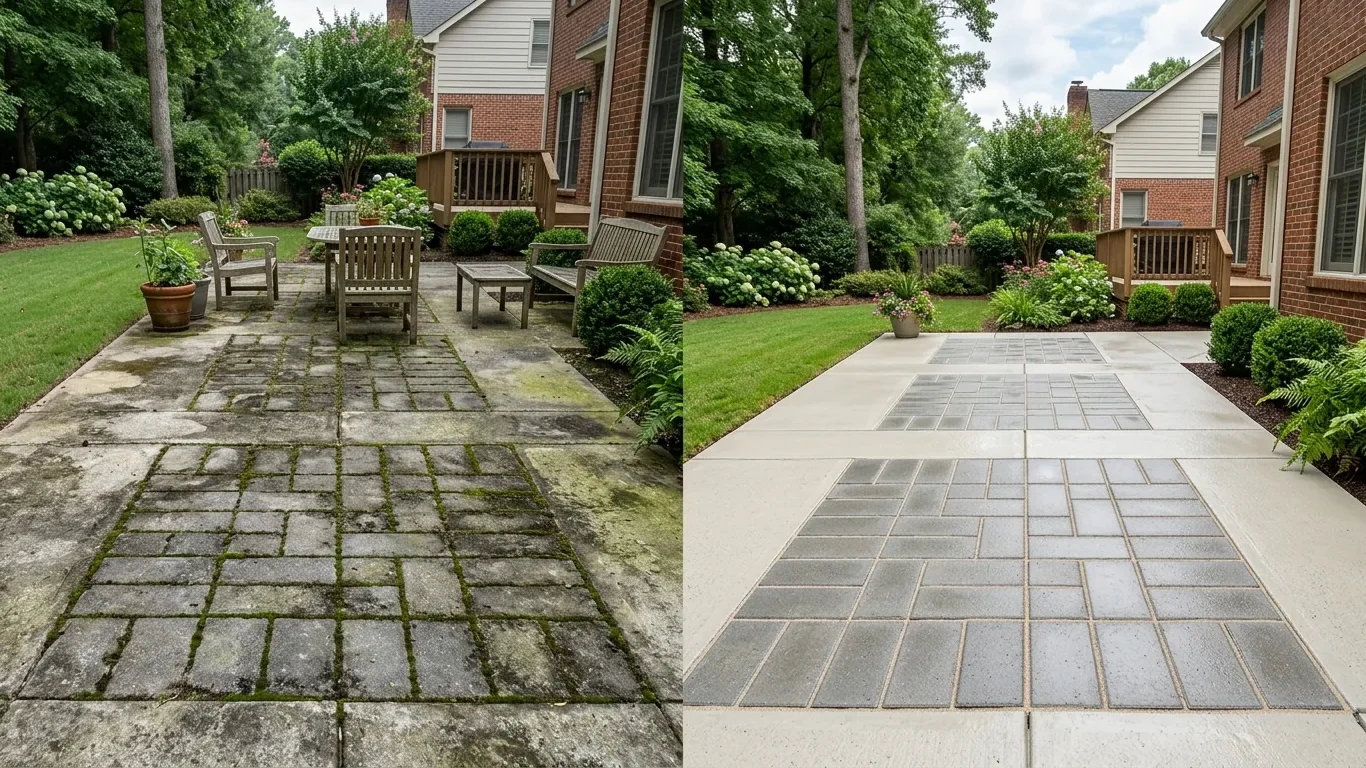
How Patio Pressure Washing in Decatur GA Restores a Weathered Patio
A successful patio cleaning project starts with preparation of spraying right away. Inspecting the patio and getting the area ready helps lower the risk of damage and makes cleaning easier.
Inspect the Patio Before Pressure Washing
Before using a pressure washer, look at the patio. Different surfaces can react differently to water pressure and existing damage might get worse if the wrong method is used. Identify these areas before cleaning so that pressure and nozzle can be adjusted. Some surfaces may need pressure or a different cleaning method.
Prepare the Patio and Surrounding Area
Proper preparation protects your furniture, landscaping and nearby property. Remove objects and make enough space to clean the whole patio evenly.
- Move patio furniture away from the patio cleaning area.
- Remove toys, decorations, planters and loose items from the patio.
- Sweep away leaves and large debris from the patio.
- Protect sensitive outdoor items on the patio.
- Shield nearby plants when appropriate.
- Identify drainage paths around the patio.
- Keep doors and windows closed during cleaning.
Good drainage is especially important because pressure washing creates a lot of runoff. Make sure water has a path away from the patio.
Choose the Right Pressure Washing Technique
Pressure washing is not about using the highest pressure possible. Using much pressure can cause damage to concrete surfaces, take away joint material, etch some materials or harm older and more delicate patios. The right technique depends on the type of patio material and how it is currently in condition.
Concrete: Concrete usually handles cleaning pressure well but too much pressure can leave surface marks or bring out the small stones inside the mix.
Pavers: Pavers need handling because of the joints between each piece. excessive force can push out the sand that could hold them together.
Materials: Some patio surfaces have decorative finishes or coatings. These often need cleaning methods. Always check the manufacturer’s advice if it’s available.
Nozzle choice matters too. A wider spray pattern spreads water over an area and gives better control. A narrow pattern focuses the water, which can increase the chance of damage if used wrong.
Remove Dirt, Algae and Stubborn Stains
Pressure washing clears layers of grime that make a patio look old and dull. The high-pressure water lifts off dirt. Flushes it away. Common stains and buildup include:
- Dirt and mud: Dirt gets trapped in textured concrete and into pores on the surface.
- Moss: Wet areas and shaded spots encourage growth, on outdoor surfaces.
- Mildew: Organic residue builds up where moisture lingers for amounts of time.
- Grease or food stains: Outdoor cooking and meals often leave marks behind.
- Rust or mineral stains: Metal furniture, irrigation water or minerals can cause discoloration.
Some stains don’t go away with pressure alone. In these cases using the cleaning solution first may be needed before pressure washing.
How to Keep Your Decatur, GA Patio Looking Clean
Regular maintenance can reduce the amount of buildup between cleanings. Simple habits can make a difference. We have noticed that regular sweeping keeps the patio looking fresh. We find that cleaning growth before it spreads keeps the patio bright. Quickly addressing spills and organic growth can help prevent stains from becoming deeply embedded.
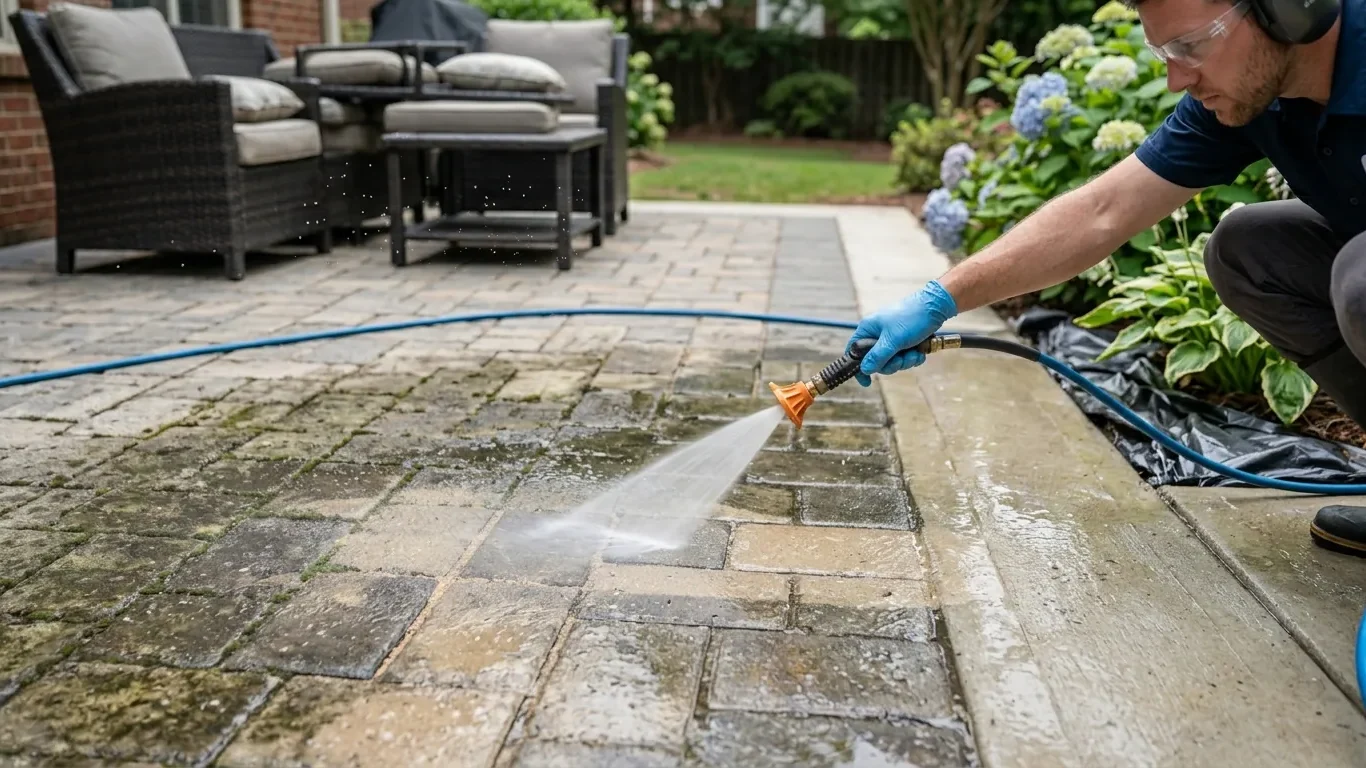
When to Consider Professional Patio Pressure Washing
cleaning may be useful when the patio has extensive staining, heavy organic growth or areas that are difficult to clean safely. I have seen that older concrete can be tricky. Experience is especially important when the surface contains concrete, brick, pavers, decorative finishes or damaged sections.
A professional can evaluate the surface before cleaning. Choose appropriate pressure, nozzles, cleaning solutions and techniques. Professional equipment can also make larger or heavily weathered patios more manageable. Consider patio pressure washing if:
- The patio has grime of years
- Areas covered by algae or moss
- Stubborn stains
- Patio has huge size
- You are unsure what pressure the surface can tolerate.
- Pavers or joints appear loose.
- The surface is delicate or deteriorating.
We have seen that loose pavers can cause problems.
Conclusion
Patio Pressure Washing in Decatur GA can help transform a weathered area by removing dirt organic growth, stains and discoloration. The key is using the pressure, nozzle, cleaning solution and technique, for the specific patio material.
Start with an inspection to protect the surrounding area, clean the patio systematically and inspect the results before finishing. With sweeping prompt stain removal, proper drainage and periodic professional cleaning the patio can remain cleaner and more inviting throughout the year. I have found that following these steps keeps the patio shining.